
*Anaphylaxis
Signs and symptoms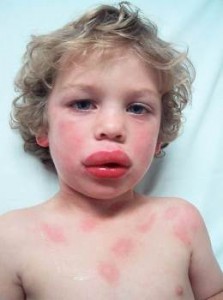
 A blotchy rash, hives or flushing
 Swelling of the tongue or throat, or face
 Difficulty swallowing or speaking
 Changes to voice
 Wheezing, a persistent cough or severe asthma attack
Difficult or noisy breathing (stridor or a tightness in chest)
 Stomach cramps, vomiting or diarrhoea
 Feeling dizzy, light-headed fainting or collapsing
 Feeling weak, pale, or sweaty
 A sense of impending doom or severe anxiety
 A rapid heartbeat, palpitations, or low blood pressure
Anaphylaxis can affect more than one body system so you don’t need all symptoms to suspect it.
Treatment of Anaphylaxis
- Stay calm — this helps reassure the child and helps you make clearer decisions
- Call 999 for an ambulance and say that the child has anaphylaxis
- Give adrenaline straight away
- Assist the child to use their auto-injector, if they are able to
- Ensure they are lying down, unless there are breathing difficulties, in which case they may sit up with their legs extended
- If symptoms persist five minutes after the first dose of adrenaline, give a second dose, ideally in the opposite leg
- If they become unresponsive, check airway and breathing; start CPR if needed
- DO NOT stand the child up once they are lying down.This can cause a sudden drop in blood pressure, which can lead to cardiac arrest
Neffy nasal spray
A new needle-free adrenaline nasal spray, called Neffy, has now been approved in the UK for the emergency treatment of anaphylaxis. Because of this, some children may be prescribed Neffy instead of an adrenaline auto-injector in future — but this depends on their age, weight and a clinical assessment by their allergy specialist.
Auto-injectors in schools
Schools are allowed to hold spare adrenaline auto-injectors without a prescription, for use in emergencies.
Click the Resources button to find out more